Train in wind, without waiting for the weather
Wind is the biggest everyday challenge for a drone pilot and the hardest thing to practise on demand. An air tunnel creates controlled, repeatable airflow around an aircraft so pilots can learn gust handling and engineers can test designs safely. IDA plans to bring this to India as a network of air tunnel academies.
Schematic only: a drone is flown or held in the test section while airflow is measured and varied. Final design is set with the engineering partner.
What the air tunnel is for
Pilot training in wind
Practise gust recovery, hover hold and landing in repeatable wind, without waiting for the weather.
Aircraft testing
Compare propellers, frames and settings under measured airflow.
Payload and spraying studies
Study how payloads swing and how spray drift changes with wind.
Education and research
Give engineering colleges and start-ups a place to run experiments and teach.
Safety training
Rehearse emergencies in a controlled setting with a safety net and observers.
Five locations across India
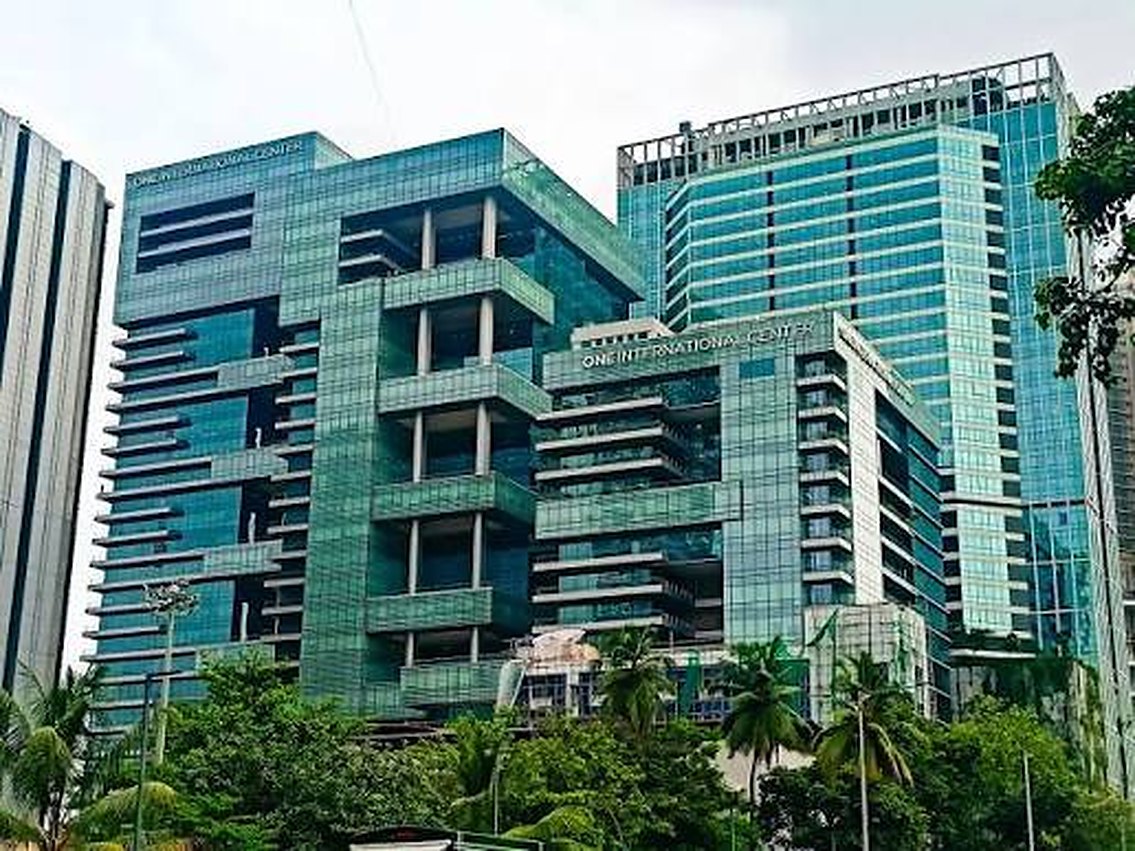
Mumbai
Maharashtra is the largest part of the IDA academy network, with nine academies already running.
Explore
Bengaluru (Bangalore)
Bengaluru is a centre for aerospace, engineering and technology start-ups.
Explore
Hyderabad
Hyderabad has a strong aerospace and defence manufacturing base and a growing agri-tech sector, and IDA already runs academies in Telangana and neighbouring Andhra Pradesh.
Explore
Lucknow
Lucknow is the capital of India's most populous state and sits in a region with a large agricultural economy and a developing defence industrial corridor.
Explore
Noida
Noida is part of the Delhi NCR region, with electronics manufacturing, media houses and many corporate offices.
ExploreTraining that uses the tunnel
- Air Tunnel and Flight Testing Lab course
- Remote Pilot: Small Category, including gust training
- Drone Design and Aerodynamics
- Flight Controllers and Autopilot Configuration
- Payloads and Sensors testing sessions
- Research projects with partner colleges
Proposed rollout sequence
| Phase | Cities | Status |
|---|---|---|
| Phase 1 | Mumbai and Bengaluru | Proposed first sites, subject to site approval and partner agreements |
| Phase 2 | Hyderabad | Proposed second wave |
| Phase 3 | Lucknow and Noida | Proposed third wave |
All sites, dates and specifications are plans, not confirmed commitments. Opening dates will be announced when sites, approvals and partners are in place.
Specification (being finalised)
| Test section size | To be confirmed with the engineering partner |
| Wind speed range | To be confirmed |
| Turbulence and gust generation | To be confirmed |
| Safety enclosure and netting | Planned |
| Instrumentation: thrust, power and motion data | Planned |
| Aircraft classes tested | Small and medium multi-rotors first; others later |
Built around safe testing
- Enclosed test section with protective netting
- Tethering and kill-switch procedures
- Trained operators and observers for every session
- Battery and charging safety rules
- Written test plans and records for each run