7–10 daysDuration (indicative)
4–8Group size
18+Minimum age
EnglishLanguage of teaching
Course overview
About this course
For operations that do not fit a standard scenario, you need a pilot who can run a proper risk assessment, write the procedures and fly the mission as planned. This course covers the full technical and operational syllabus for risk-based work, including crew coordination and emergency handling.
| Format | Theory, practical flight training and a flight test |
| Languages | English |
| Certificate | IDA Advanced Remote Pilot certificate |
| Fees | On request. Contact admissions for the current fee and batch dates. |
Who it is for
Is this course right for you?
- Pilots at large survey, energy and infrastructure firms
- Operators applying for operational permissions
- Companies building an in-house flight crew
- Public-safety agencies with complex missions
Learning outcomes
What you will be able to do
- Carry out a structured risk assessment for a new operation
- Write an operations manual section and emergency response plan
- Apply advanced airspace, meteorology and navigation knowledge
- Manage crew resources, workload and decision-making
- Fly complex missions including abnormal and emergency procedures
- Record, analyse and report after each flight
Syllabus
What the course covers
Module 01
Air law and permissions
- Drone Rules in depth
- Operational permissions and conditions
- Operator and pilot responsibilities
- Accident reporting
Module 02
Airspace and procedures
- Airspace classes and zones
- Coordination with air traffic services
- Flight rules relevant to drones
Module 03
Systems and performance
- Airframes, powerplants and links
- Sensors and payloads
- Airworthiness and maintenance principles
- Firmware and software management
Module 04
Human performance
- Decision-making and stress
- Fatigue and crew resource management
- Situational awareness
Module 05
Navigation and weather
- GNSS principles and limits
- Alternative navigation
- Advanced forecasting and local effects
Module 06
Operational practice
- Site surveys and dynamic risk
- Normal, abnormal and emergency procedures
- Briefing, debriefing and flight logs
Practical content
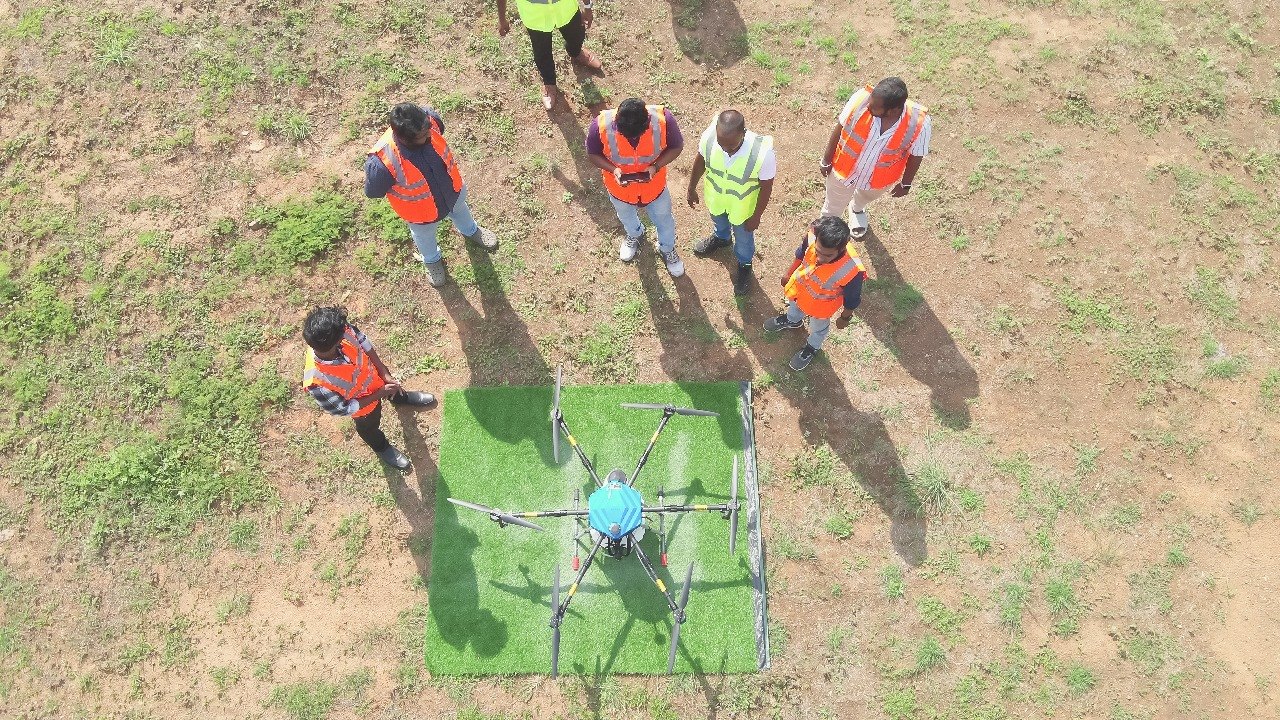
Hands-on training
- Complex mission profiles: inspection, mapping and observation
- Simulated emergencies
- Crew communication and handover
- Post-flight data review
Assessment
How you are assessed
- Theory examinations covering all subjects
- Practical flight test by a qualified examiner
Prerequisites
Before you join
- Valid remote pilot certificate
- Substantial flying experience is strongly recommended
- Age 18+
India context
What to know in India
- Operational permissions come from the regulator; this course prepares you to apply and to operate within them
Drone rules in India are issued by the Directorate General of Civil Aviation (DGCA) and managed through the Digital Sky platform. They change from time to time, so IDA admissions confirms the current requirement for your category and operation at enrolment.
Careers
Roles this course supports
Chief remote pilotFlight operations managerSurvey project lead
Certification
What you receive
IDA Advanced Remote Pilot certificate. Certificates are issued by International Drone Academy, part of World Skill University and powered by AIESF and WSSH Australia. Where a regulator licence or permission is also required, IDA explains the steps at enrolment.
Questions
Frequently asked
How is this different from scenario training?
Scenario training follows set patterns. This course teaches you to build the risk case and procedures for operations that are new or complex.
Where and when does it run?
Batch dates and academy locations change through the year. Send an enquiry and admissions will share the next start dates for your city.
How do I enrol?
Use the enquiry form on this page, or email admin@internationaldroneacademy.org.